Phenol
Medicine's first antiseptic — and a cancer promoter in smoke.
At a glance
- Also known as
- Carbolsäure · Hydroxybenzol
- CAS number
- 108-95-2
- Toxicity
High
- Carcinogenic
- Not classified for cancer
- In cigarette smoke
- 60-140 μg per cigarette (DKFZ)
What is Phenol?
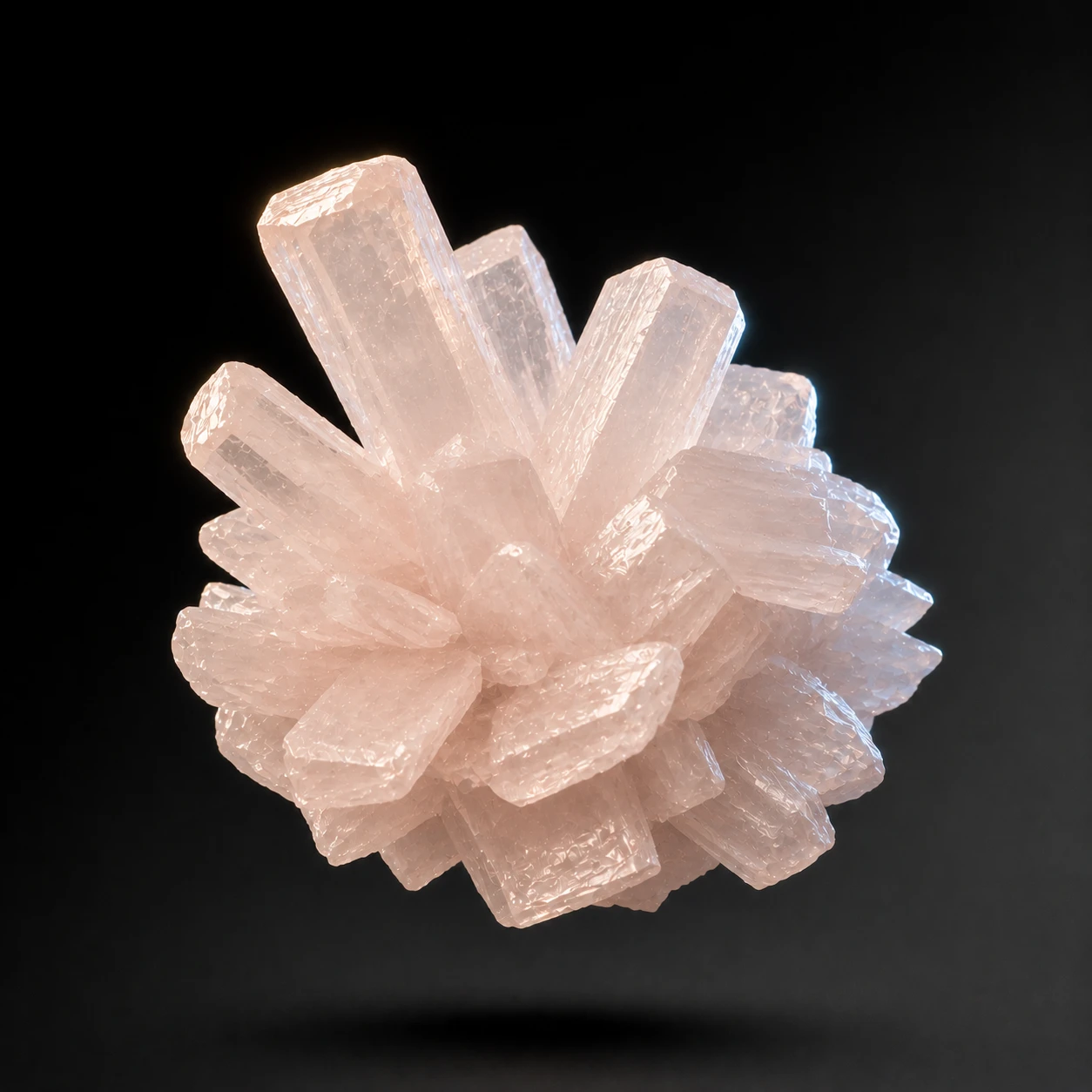
Phenol (hydroxybenzene, carbolic acid) is a crystalline compound with a characteristic sweet-medicinal smell. It was one of medicine's first antiseptics — Joseph Lister revolutionised surgery in 1867 with phenol sprays. Today it's a raw material for phenolic resins (Bakelite, particleboard adhesives) and pharmaceuticals. The IARC classifies phenol as Group 3, but in combination with other substances it acts as a documented cancer promoter.
Why is Phenol in cigarettes?
Phenol forms during pyrolysis of plant phenols and amino acids in tobacco — closely related to catechol and hydroquinone. Each cigarette delivers 60 to 140 micrograms of phenol into the mainstream smoke (source: DKFZ). In smoke, phenol acts less as a standalone carcinogen than as a promoter — it significantly amplifies the DNA-damaging effect of benzo[a]pyrene and other polycyclic aromatics.
What Phenol does to your body — short term
Acutely, phenol irritates eyes, airways and skin. At the low amounts from a cigarette, no perceptible acute symptoms are expected. On direct skin contact — for instance in industrial production — phenol causes burns and can be absorbed systemically through the skin, with neurological symptoms (dizziness, nausea) at higher doses.
What Phenol does long term
Chronic phenol exposure leads to persistent airway irritation and mucosal changes. The central effect documented in tobacco research is the promoter function: phenol itself doesn't trigger tumours, but it accelerates the growth of already-initiated tumour cells. Mouse studies show phenol applied to skin amplifies the carcinogenic effect of benzo[a]pyrene by a factor of 3 to 10.
Where else do you know Phenol from?
You know phenol as „carbolic“ — Lister used it from 1867 as a wound antiseptic in surgery, dramatically reducing post-amputation mortality. Today phenol is the raw material for phenol-formaldehyde resins (Bakelite, particleboard adhesive) and for aspirin synthesis (via salicylic acid). Diluted phenol solutions still find use in some medical applications (throat sprays).
How it compares
Germany's workplace exposure limit for phenol is 8 mg/m³ (2 ppm, AGW TRGS 900). The amounts per cigarette fall well below this — phenol's importance in tobacco smoke lies not in acute toxicity but in promoter-like amplification of other substances' carcinogenic effects.
Workplace exposure limit: 8 mg/m³ (2 ppm, AGW TRGS 900)
Related substances
These substances you want out of your body.
Flamy walks you through quitting, step by step.
Download the Flamy app