Catechol
Only moderately toxic alone — a co-carcinogen with benzo[a]pyrene.
At a glance
- Also known as
- Brenzcatechin · 1,2-Dihydroxybenzol
- CAS number
- 120-80-9
- Toxicity
High
- Carcinogenic
- Yes — IARC Group 2B
- In cigarette smoke
- 50-130 μg per cigarette (DKFZ)
What is Catechol?
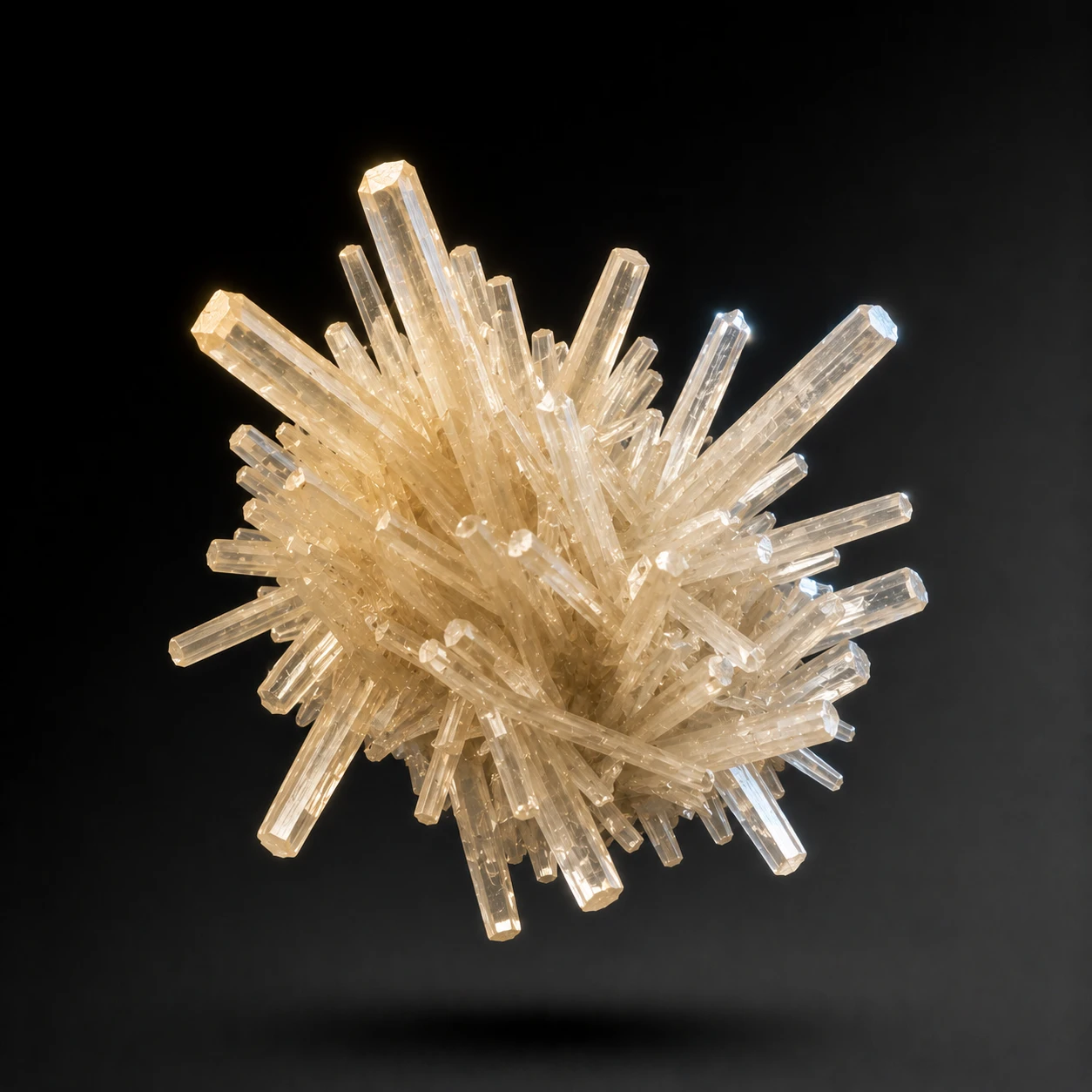
Catechol (1,2-dihydroxybenzene) is a divalent aromatic alcohol with light crystalline needles. IARC classifies catechol as Group 2B („possibly carcinogenic“). Its scientifically better-documented effect is as a co-carcinogen: it measurably amplifies the carcinogenic action of other substances, especially benzo[a]pyrene.
Why is Catechol in cigarettes?
Catechol forms during combustion of plant phenols — natural components of tobacco leaves — via pyrolysis. Each cigarette delivers 50 to 130 micrograms of catechol into the mainstream smoke (source: DKFZ). This amount is more than for most other co-carcinogens in smoke and makes catechol one of the quantitatively most important effect amplifiers.
What Catechol does to your body — short term
Acutely, catechol irritates mucous membranes and can cause skin irritation on contact. At cigarette-smoke quantities no direct acute symptoms are perceptible. In metabolism, catechol — like hydroquinone — is oxidised to reactive quinones that interact with DNA and proteins.
What Catechol does long term
The actual damage from catechol arises in interplay with other substances. Animal studies show that catechol alone raises cancer risk only moderately, but in combination with benzo[a]pyrene it multiplies the tumour rate. This „promoter“ effect is a central explanation for why tobacco smoke as a substance mixture is dramatically more carcinogenic than the sum of its individual components.
Where else do you know Catechol from?
Catechol is used industrially as a photographic developer, is an antioxidant in rubber products, and appears in small amounts in some hair dyes. In nature, catechol is found in fruit skins, onion skins, and in the secretion of some insects. Industrially it's today predominantly produced synthetically.
How it compares
Germany's workplace exposure limit for catechol is 20 mg/m³ (DFG MAK 2023). The amounts per cigarette fall well below this in absolute terms — catechol's importance in tobacco smoke lies not in acute toxicity but in promoter-like amplification of other substances' carcinogenic effects.
Workplace exposure limit: 20 mg/m³ (DFG MAK 2023)
Related substances
These substances you want out of your body.
Flamy walks you through quitting, step by step.
Download the Flamy app