Nickel
The same metal that makes your watchback itch — present in many vape coils.
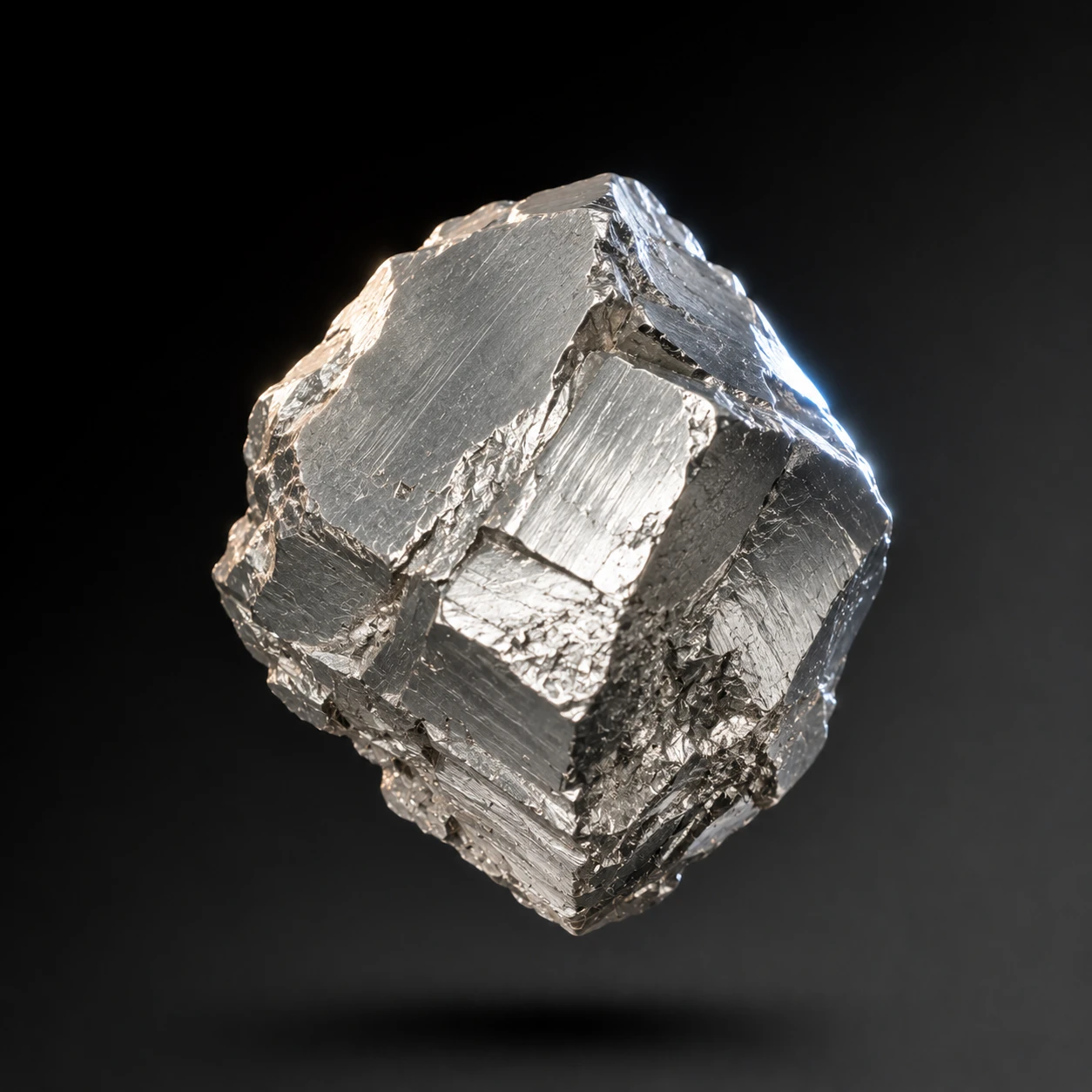
At a glance
- Also known as
- Ni · Nickelverbindungen
- CAS number
- 7440-02-0
- Toxicity
High
- Carcinogenic
- Yes — IARC Group 1
- In cigarette smoke
- 20-80 ng per cigarette (DKFZ)
- In vape aerosol
- 0.05–0.5 µg pro Zug aus Kanthal/NiCr-Coils
What is Nickel?
Nickel is a silvery-white transition metal widely used in steel alloys (stainless steel) and heating wires. Certain nickel compounds have been classified as Group 1 carcinogens since 1990; metallic nickel itself is Group 2B („possibly carcinogenic“). On top of that: nickel is by far the most common contact allergen trigger in Europe.
Why is Nickel in cigarettes?
Nickel enters the tobacco plant via the roots from soil and is released with the smoke. Each cigarette delivers 20 to 80 nanograms of nickel into the mainstream smoke (source: DKFZ). In vape aerosols, exposure is typically higher: heating wires of nickel-chromium alloys (Nichrome) release nickel microparticles when heated — studies (Olmedo et al., 2018) detected sub-microgram quantities of nickel per puff with high variability. Kanthal wires (FeCrAl) contain no nickel by contrast and are a nickel-free alternative.
What Nickel does to your body — short term
Acute nickel exposure from tobacco or vape causes no noticeable symptoms. The most important immediate effect is allergic: roughly 10 to 15 percent of European women and 2 to 3 percent of men react to nickel skin contact with dermatitis. Inhaled via the lung, nickel can additionally act as an asthma trigger, especially in already sensitised individuals.
What Nickel does long term
Chronic nickel inhalation is associated with lung and nasal cancer — best documented among occupationally exposed electroplating and refinery workers. Sustained exposure causes fibrotic changes in lung tissue and measurably elevated susceptibility to infections. In smokers and vape users, nickel is part of the general heavy-metal burden that adds to cadmium and lead.
Where else do you know Nickel from?
You know nickel from stainless-steel cutlery and pots, from 1- and 2-euro coins, from costume jewellery (the most common allergy trigger for earrings and watchbacks), and from rechargeable batteries (NiMH, NiCd). Industrially, nickel is indispensable as an alloy component; in EU cosmetics and skin-contact jewellery there have been strict allergen limits since 2000.
How it compares
Germany's workplace acceptance concentration for respirable nickel is 6 µg/m³ (TRGS 910); the tolerance concentration is 30 µg/m³. Vape users with high wattage and cheap coils can exceed these values per puff, though only during the seconds of inhalation.
Workplace exposure limit: 6 µg/m³ alveolengängig (TRGS 910); 30 µg/m³ Toleranzkonzentration
Related substances
These substances you want out of your body.
Flamy walks you through quitting, step by step.
Download the Flamy app