Lead
Banned from gasoline — still in tobacco.
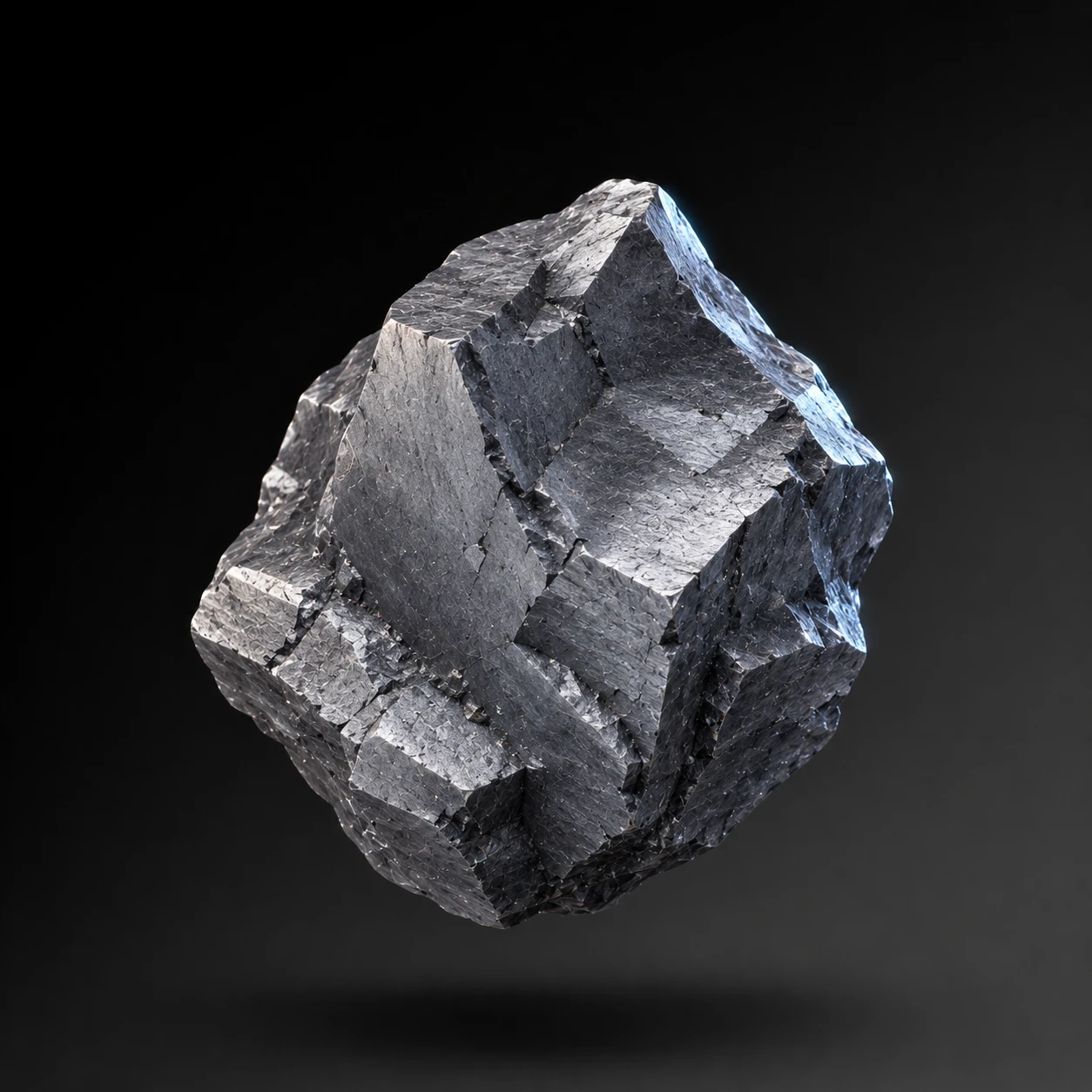
At a glance
- Also known as
- Plumbum · Pb
- CAS number
- 7439-92-1
- Toxicity
Very high
- Carcinogenic
- Yes — IARC Group 2A
- In cigarette smoke
- 50-200 ng per cigarette (DKFZ)
- In vape aerosol
- leaches from low-quality coils and solder joints
What is Lead?
Lead is a soft, very dense heavy metal and one of the oldest materials used by humans. Inorganic lead compounds are classified by IARC as „probably carcinogenic to humans“ (Group 2A); organic compounds as Group 3. Lead enters the tobacco plant via the roots from contaminated soils.
Why is Lead in cigarettes?
Lead is found in trace amounts in almost all soils — natural occurrences plus residues from decades of leaded gasoline, which until the 1990s was Europe's main air pollutant. Tobacco plants accumulate lead from soil in their leaves. Each cigarette delivers 50 to 200 nanograms of lead into the mainstream smoke — smokers have significantly higher blood lead levels than non-smokers (source: DKFZ).
What Lead does to your body — short term
Acute lead poisoning occurs only at very high doses — for instance after accidental ingestion of lead-based paints. The lead amounts from a cigarette cause no noticeable acute symptoms. Like cadmium, lead is a classic cumulative toxin: it binds to erythrocytes in blood and migrates to bones, kidney and brain. Biological half-life in bones is over 20 years.
What Lead does long term
Chronic lead exposure is neurotoxic. In adults it shows as concentration disturbances, hypertension and impaired kidney function. In pregnancy and children, lead is particularly harmful to brain development — prenatal lead contact correlates measurably with lower IQ later in life. The WHO explicitly names „no safe blood lead concentration“. Add cardiovascular effects: higher blood lead levels are statistically associated with elevated heart attack and stroke mortality.
Where else do you know Lead from?
Lead is what you know from lead-acid car batteries (starter batteries — still allowed), from historical paint pigments (lead white, EU-banned since the 1970s), from ammunition and fishing weights. Leaded gasoline (tetraethyllead) was banned in Germany in 1996 — the population's average blood lead level dropped by over 80 percent afterwards. Tobacco smoke is today one of the last widespread lead sources.
How it compares
There's currently no fixed workplace air limit for lead in Germany — exposure is monitored via blood lead levels instead (biological limit BGW: 150 µg/L). A 2024 EU directive proposes a new air limit of 0.03 mg/m³. The amounts per cigarette are small but accumulate in the body over decades — the WHO names no safe lower threshold for lead exposure.
Workplace exposure limit: AGW derzeit nicht festgelegt; biologischer Grenzwert (BGW) 150 µg/L Blut; EU-Richtlinie 2024 schlägt 0,03 mg/m³ vor
Related substances
These substances you want out of your body.
Flamy walks you through quitting, step by step.
Download the Flamy app