Mercury
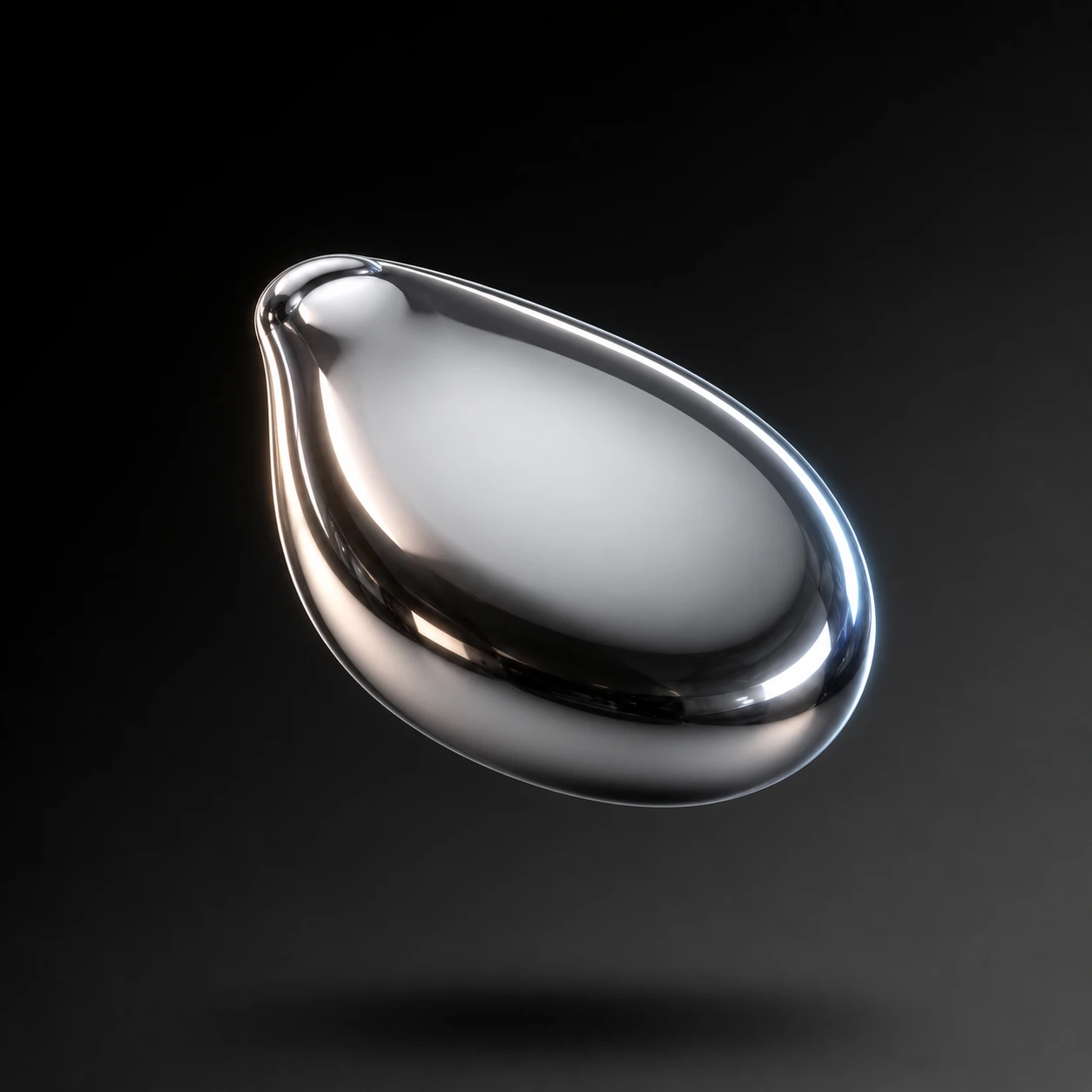
The same metal that used to be in fever thermometers — now a few nanograms per puff.
At a glance
- Also known as
- Hg · Quecksilber
- CAS number
- 7439-97-6
- Toxicity
High
- Carcinogenic
- Not classified for cancer
- In cigarette smoke
- 3-20 ng per cigarette (DKFZ)
What is Mercury?
Mercury is the only metal that's liquid at room temperature. Elemental mercury is classified by IARC as not classifiable (Group 3) for cancer, but it is strongly neurotoxic — methylmercury (an organic form) is Group 2B. In cigarette smoke, mercury appears predominantly as vapour from elemental Hg.
Why is Mercury in cigarettes?
Tobacco leaves take up mercury like cadmium and lead from soil, especially via phosphate-rich fertilisers and atmospheric deposits from coal power plants. Each cigarette delivers 3 to 20 nanograms of mercury into the mainstream smoke (source: DKFZ). When burned, the metal vaporises — inhalation as vapour is the most efficient absorption route, because mercury vapour passes directly through the alveolar membrane into the blood.
What Mercury does to your body — short term
The amounts from a cigarette cause no noticeable acute symptoms. Mercury vapour is absorbed about 80 percent by the lung, reaches the blood, and crosses the blood-brain barrier — faster than virtually any other mercury form. In the brain it's enzymatically oxidised and accumulates. Studies show measurably higher mercury levels in smokers' brain tissue.
What Mercury does long term
Chronic mercury exposure acts mainly on the nervous system. Symptoms range from concentration disturbances and tremor to mood changes — the historical occupational disease of hat makers („Mad Hatter“) was based on exactly this effect. Add cardiovascular effects and a measurable influence on kidney function. In pregnancy, there's evidence of impaired fetal brain development.
Where else do you know Mercury from?
Mercury is what you know from old fever thermometers (EU-banned since 2009), from dental amalgam fillings, and from CFL energy-saving bulbs. Industrially, mercury was long standard in chlor-alkali electrolysis — these plants are being converted EU-wide since 2017. The global main emission source is coal power plants.
How it compares
Germany's workplace exposure limit for mercury vapour and inorganic mercury compounds is 0.02 mg/m³ (AGW, TRGS 900). The amounts per cigarette are small but accumulate in the body lifelong — especially in the brain — and thus contribute permanently to total mercury exposure.
Workplace exposure limit: 0.02 mg/m³ (AGW, TRGS 900 — Hg-Dampf und anorganische Hg-Verbindungen)
Related substances
These substances you want out of your body.
Flamy walks you through quitting, step by step.
Download the Flamy app