CarcinogenIARC Group 2B
Naphthalene
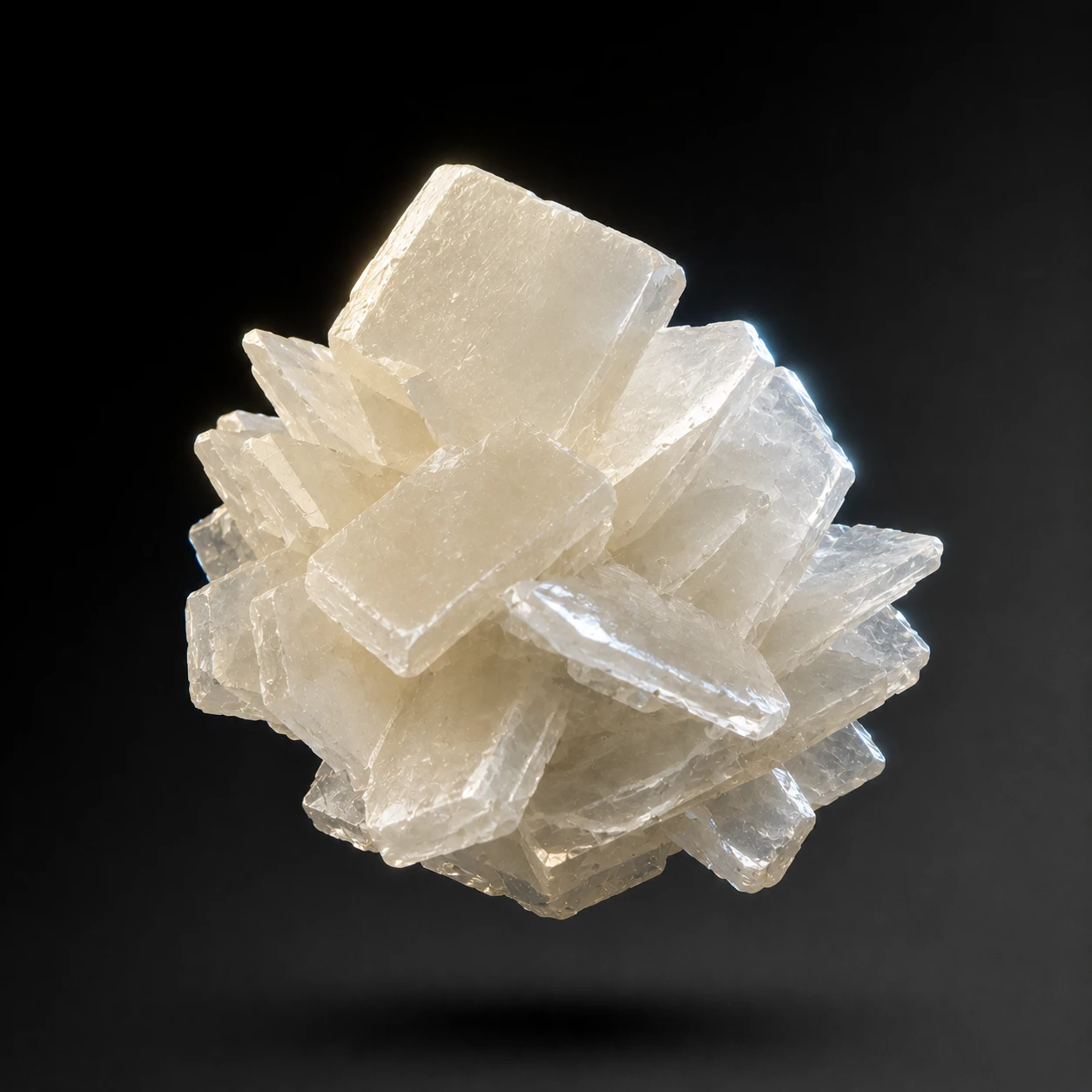
Naphthalene is a polycyclic aromatic hydrocarbon (PAH) and the simplest of its class — two fused benzene rings. Characteristic is its strong sweet-tarry smell, released at room temperature as sublimation vapour. The IARC classifies naphthalene as Group 2B („possibly carcinogenic to humans“).
At a glance
- Carcinogenic
- IARC 2BPossibly carcinogenic
- CAS number
- 91-20-3
How does naphthalene form in cigarette smoke?
Naphthalene can form when tobacco burns incompletely. It is one of the polycyclic aromatic hydrocarbons that researchers have measured in mainstream cigarette smoke.
What Naphthalene does to your body — short term
High exposure to naphthalene can damage red blood cells and cause haemolytic anaemia. People with an inherited deficiency of the enzyme G6PD are especially susceptible. A smoke measurement alone does not show that haemolysis has occurred.
What Naphthalene does long term
Animal studies have found respiratory tract tumours after long-term naphthalene exposure. Evidence in humans is more limited. An amount measured in cigarette smoke cannot by itself predict the cancer risk from naphthalene for one person.
Other uses and sources
Naphthalene has been used in some mothballs and is found in coal tar. Not every moth repellent contains it. Combustion can also produce naphthalene, including when tobacco burns.
- Component of coal tar
- Diesel exhaust
How it compares
Smoke measurements report the amount collected under a stated smoking protocol. A workplace air limit concerns concentration over time. An air volume and exposure duration are needed to compare the two types of measurement.