CarcinogenIARC Group 1
Benzo[a]pyrene
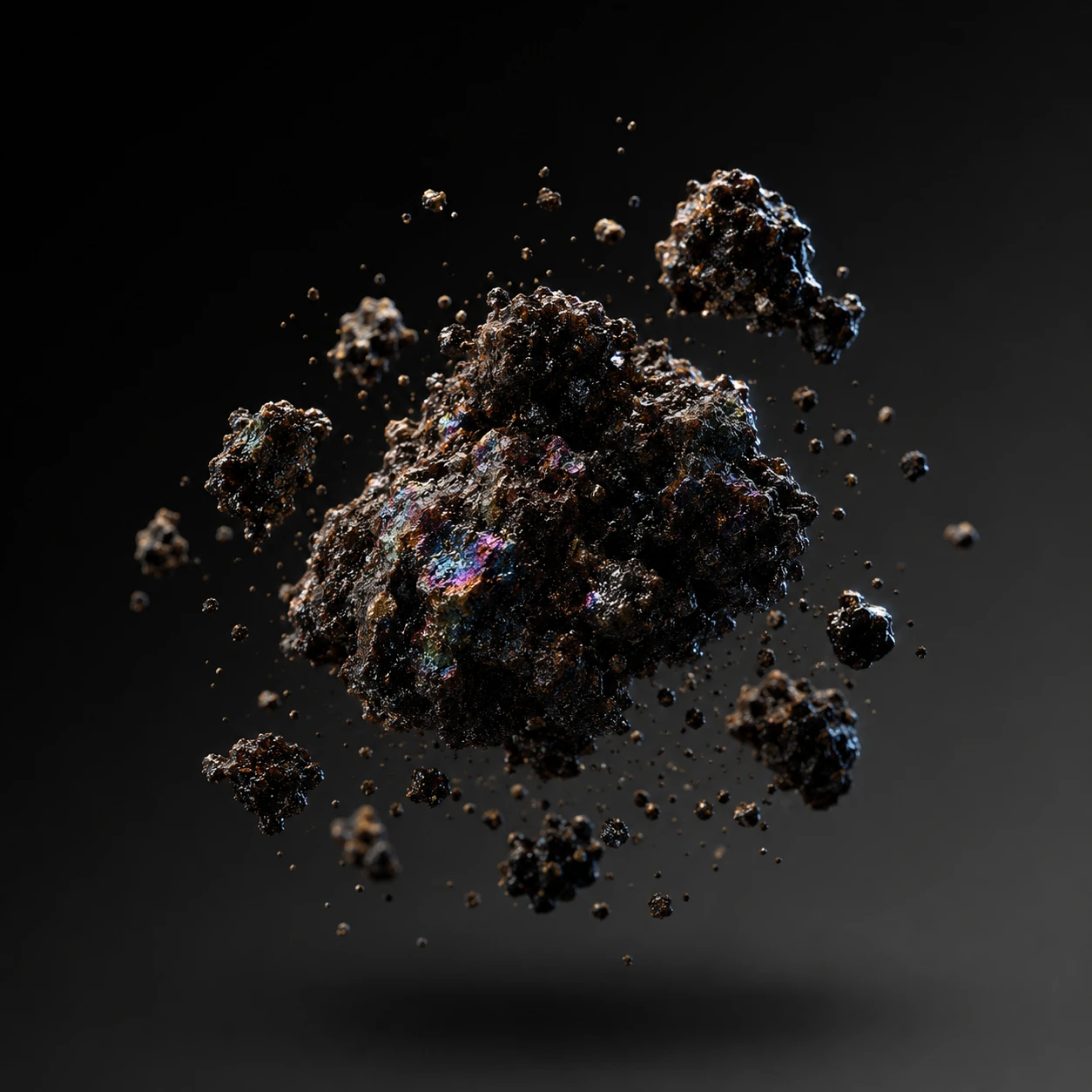
Benzo[a]pyrene (BaP for short) is a polycyclic aromatic hydrocarbon (PAH) and one of the most thoroughly researched cancer triggers in existence. IARC classifies BaP as a Group 1 carcinogen. It forms anywhere organic material burns incompletely — in tobacco smoke, on grilled meat, in wood-stove soot and in vehicle exhaust.
Also known as: BaP
At a glance
- Carcinogenic
- IARC 1Carcinogenic to humans
- CAS number
- 50-32-8
Which part of cigarette smoke contains benzo[a]pyrene?
Benzo[a]pyrene can form when tobacco burns incompletely. It is found mainly in the particulate fraction. Researchers collect those particles on a filter and analyse the compound separately from other polycyclic aromatic hydrocarbons.
What Benzo[a]pyrene does to your body — short term
The body can convert benzo[a]pyrene into reactive metabolites that bind to DNA. This molecular effect cannot be identified from an immediate symptom after smoking.
What Benzo[a]pyrene does long term
Benzo[a]pyrene is carcinogenic to humans. It is one of several carcinogens in tobacco smoke. The presence of a particular DNA change in a tumour does not identify the source of exposure in an individual case.
Other uses and sources
Benzo[a]pyrene is found in mixtures produced by incomplete combustion, including soot. Historical observations about cancer in chimney sweeps concerned exposure to soot, a mixture of substances.
- Charred grilled meat
- Diesel exhaust
- Chimney soot
- Coal tar
How it compares
A value in nanograms per cigarette measures mass in a collected smoke sample. A value in nanograms per cubic metre measures an air concentration. Comparing them requires the sampled volume as well as the exposure time.