MetalIARC Group 1
Cadmium
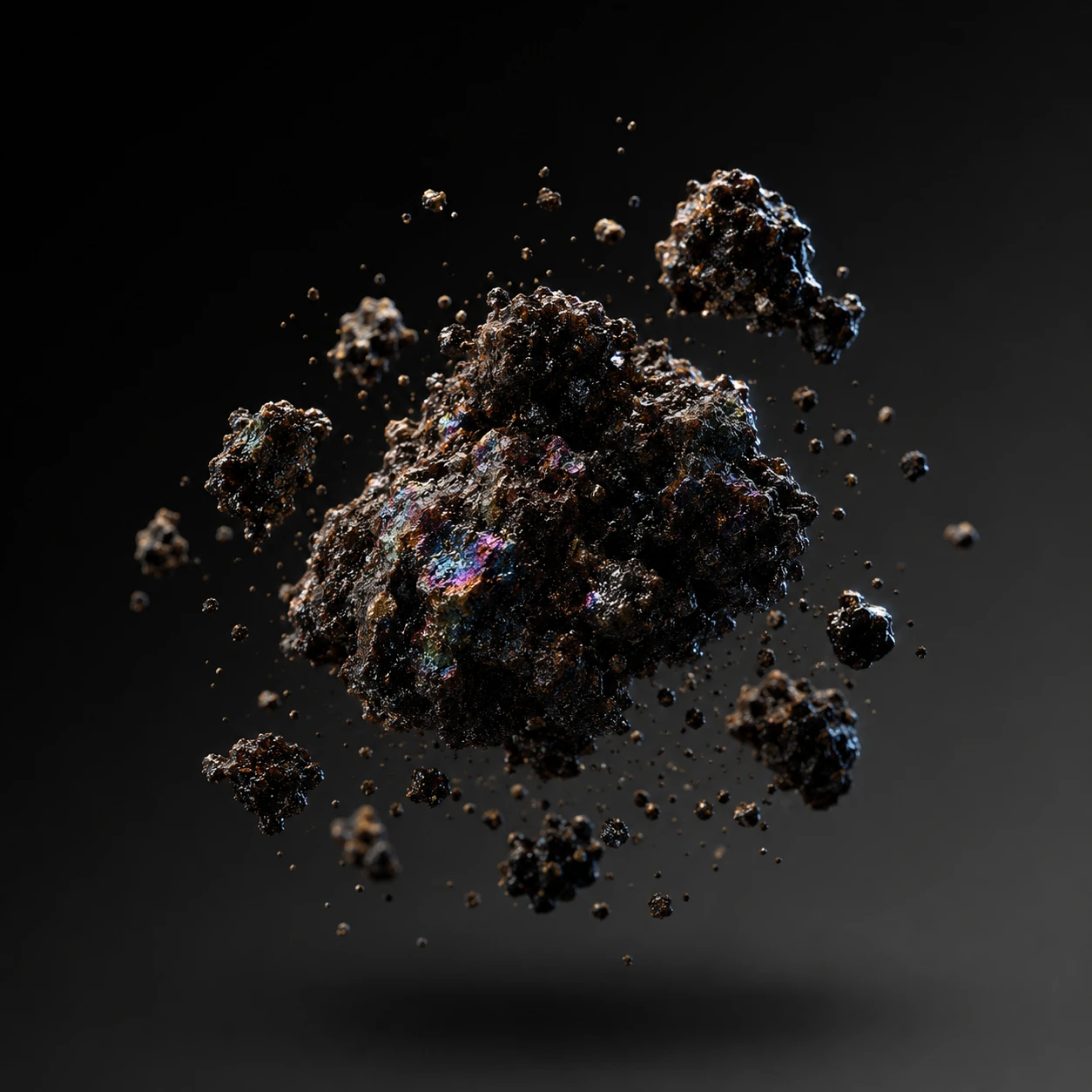
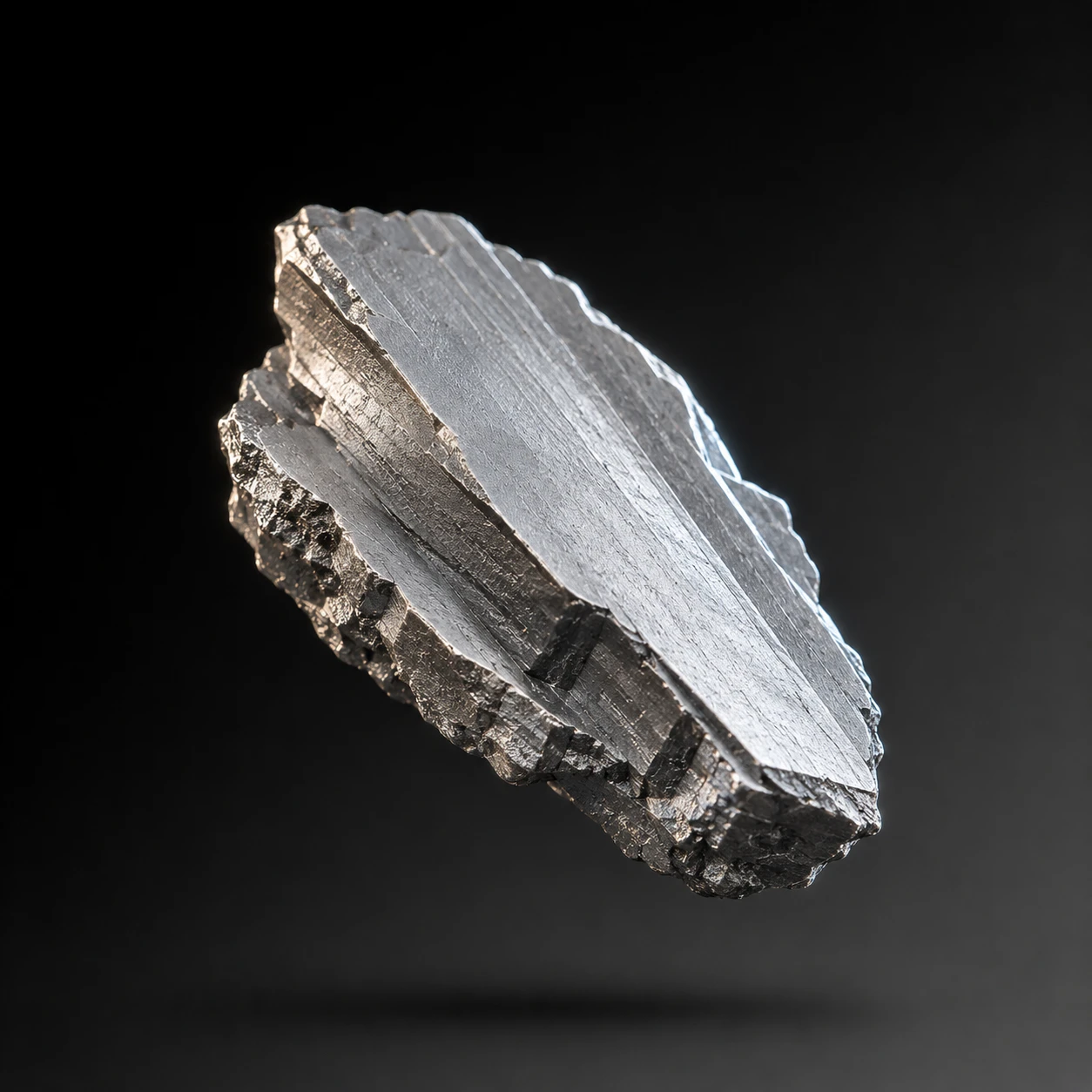
Cadmium is a silvery-shiny heavy metal with a low melting point. The IARC has classified cadmium and its compounds as „carcinogenic to humans“ (Group 1) since 1993. It enters the tobacco plant via the roots and accumulates particularly in the leaves — combustion releases it as fine aerosol directly into the lung.
Also known as: Cd
At a glance
- Carcinogenic
- IARC 1Carcinogenic to humans
- In cigarette smoke
- 81–200 ngper cigarette in mainstream smoke from US brands, measured by Pappas and colleagues using the Health Canada Intense machine test.
- CAS number
- 7440-43-9
How does cadmium get into cigarette smoke?
Tobacco plants take up cadmium from soil and accumulate it in their leaves. When the tobacco burns, some cadmium passes into the smoke. In a study of cigarettes sold in the United States, the measured amounts varied by product and test protocol.
What Cadmium does to your body — short term
Cadmium in inhaled smoke can enter the bloodstream. The body eliminates it slowly, so repeated exposure can lead to accumulation, especially in the kidneys and liver. Bone damage is a possible effect of long-term exposure.
What Cadmium does long term
Cadmium can accumulate in the kidneys and damage the small tubules that help recover useful substances from urine. Long-term exposure can also affect bones. Cadmium and cadmium compounds are classified as carcinogenic to humans.
Other uses and sources
Cadmium has been used in nickel-cadmium rechargeable batteries, some pigments and certain alloys. Its use in products is restricted in many settings because it is toxic.
- NiCd rechargeable batteries (EU-restricted)
- Plastic and artist paint pigments
- Hard solder alloys
How it compares
A smoking-machine test measures how much cadmium ends up in the smoke from one cigarette. The German workplace acceptance concentration applies to the respirable fraction in workplace air. Personal uptake depends in part on how much smoke a person inhales.
Workplace exposure limit Germany (TRGS 561). Cadmium and inorganic cadmium compounds classified as carcinogenic (1A or 1B): acceptance concentration 0.9 µg/m³ in the respirable fraction. Sources checked