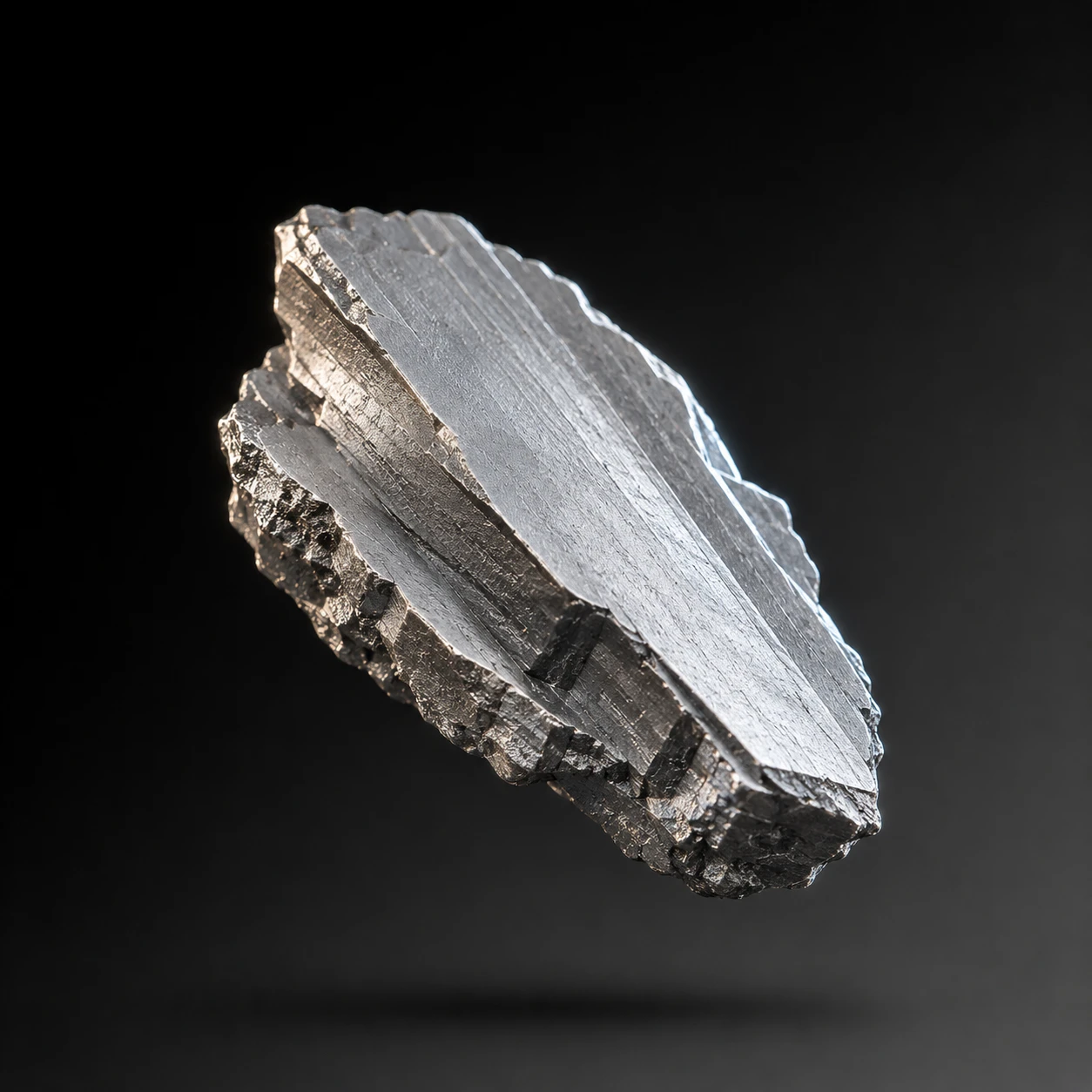
MetalIARC Group 1
Why is there arsenic in cigarettes?
Arsenic is an element found naturally in soil, rocks and groundwater. Tobacco can take it up from the soil. Inorganic arsenic compounds are carcinogenic to humans.
Also known as: As

At a glance
- Carcinogenic
- IARC 1Carcinogenic to humans
- CAS number
- 7440-38-2
How does arsenic get from soil into smoke?
Tobacco roots can take up arsenic from the soil. When the leaves burn, some of the arsenic can transfer into smoke. Measurements depend on factors including the tobacco and the smoking protocol.
What Arsenic does to your body — short term
Acute arsenic poisoning after a high dose is a different exposure from repeatedly inhaling trace amounts in smoke. The presence or absence of immediate symptoms does not measure a person’s arsenic exposure.
What Arsenic does long term
Long-term exposure to inorganic arsenic is associated with cancers of the skin, bladder and lung. Risk depends on the form of arsenic and on how much a person is exposed to over time.
Other uses and sources
Arsenic occurs naturally in groundwater in some regions. Exposure can also occur during mining and metal processing. The chemical form matters when comparing arsenic in water, air or food.
- Semiconductor doping
How it compares
A workplace air concentration describes arsenic per volume of air. A smoke test can instead report a mass per cigarette. These values answer different exposure questions and cannot be directly compared.
Workplace exposure limit Germany (TRGS 561). Arsenic compounds classified as carcinogenic (1A or 1B), inhalable fraction: acceptance concentration 0.83 µg/m³ and tolerance concentration 8.3 µg/m³. Sources checked